Building a high-performing commission based sales team can transform your business. It’s not just about paying per sale—it’s about motivation, structure, and long-term growth. Let’s dive into how you can create a team that sells smarter, faster, and more effectively.
1. What Is a Commission Based Sales Team and Why It Matters

A commission based sales team operates on a performance-driven compensation model where earnings are directly tied to sales results. This structure incentivizes reps to close more deals, increase average deal size, and stay proactive in their outreach. Unlike salaried models, commission-based pay aligns employee success with company growth.
How Commission Structures Work
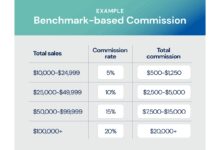
At its core, a commission based sales team earns a percentage of each sale they close. This percentage can be flat, tiered, or variable based on product type, customer segment, or sales volume. For example, a rep might earn 5% on the first $10,000 in monthly sales and 10% on anything above that.
- Flat rate: Same percentage across all sales
- Tiered: Higher rates for hitting milestones
- Residual: Ongoing commissions for recurring revenue (common in SaaS)
According to Salesforce, companies using tiered commission models report up to 27% higher year-over-year growth in sales productivity.
Benefits Over Traditional Salary Models
One of the biggest advantages of a commission based sales team is cost efficiency. You pay for performance, not just presence. This reduces fixed payroll costs and increases ROI on your sales force.
- Lower risk during early-stage growth
- Higher motivation and self-direction
- Better alignment between individual and company goals
“When your sales team eats what they kill, they hunt harder.” – Sales Leadership Principle
2. Designing the Perfect Commission Plan for Your Team
Not all commission plans are created equal. A poorly structured plan can lead to short-term gains but long-term turnover and disengagement. The key is balance—motivating reps without encouraging risky behavior.
Choosing Between Pure Commission and Draw Against Commission
Pure commission means reps earn only when they sell. While this maximizes cost control, it can deter top talent who need income stability. A draw against commission offers a guaranteed advance (the “draw”) that’s recouped from future commissions.
- Pure commission: Best for experienced, self-motivated reps
- Draw model: Ideal for onboarding new talent or entering competitive markets
- Non-recoverable draw: Acts like a base salary with upside
For example, a $3,000 monthly draw means the rep gets $3,000 regardless of sales, but once commissions exceed that, the company stops deducting from earnings. This model is widely used in tech and real estate sales.
Tiered vs. Flat Commission Rates
Tiered structures reward performance escalation. A rep might earn 5% up to $50K in sales, 7% from $50K–$75K, and 10% beyond $75K. This creates a psychological push to hit the next level.
- Encourages reps to push past comfort zones
- Reduces plateauing in mid-tier performers
- Can be gamified with leaderboards and bonuses
In contrast, flat rates are simpler to manage but may lack motivational depth. They work best in high-volume, low-complexity sales environments like retail or call centers.
3. Recruiting Top Talent for Your Commission Based Sales Team
You can have the best commission plan, but without the right people, it won’t matter. Recruiting for a commission based sales team requires a different mindset—look for self-starters, resilience, and a hunger for success.
Key Traits of High-Performing Commission Sales Reps
Top performers in a commission based sales team share common traits:
- Self-motivation: They don’t wait for direction
- Resilience: Rejection doesn’t stop them
- Goal orientation: They track progress daily
- Adaptability: They pivot quickly based on feedback
A study by Harvard Business Review found that emotional intelligence and grit are stronger predictors of sales success than experience or education.
Where to Find Commission-Driven Sales Talent
Traditional job boards may not attract the right candidates. Instead, focus on platforms where performance-driven professionals gather:
- LinkedIn (use Boolean search for “commission only”, “sales hunter”)
- Sales-specific job boards like RepVue
- Referral programs with existing top performers
- Industry networking events and pitch competitions
Consider offering a “try-before-you-hire” trial period where candidates complete mock sales cycles for a small payout. This tests real-world performance before commitment.
4. Training and Onboarding for Maximum Commission Earnings
Even the most driven reps need structure. A solid onboarding process ensures your commission based sales team hits the ground running and starts earning—and selling—fast.
Essential Training Modules
Your training should cover both product knowledge and sales methodology. Break it into digestible phases:
- Week 1: Company mission, product deep dive, customer personas
- Week 2: Sales process walkthrough (prospecting to close)
- Week 3: CRM and tech stack training (e.g., Salesforce, HubSpot)
- Week 4: Role-playing, objection handling, and live shadowing
Include real deal simulations where reps practice full cycles. Reward top performers in training with small bonuses to reinforce the commission mindset early.
Role of Mentorship and Ongoing Coaching
Pair new hires with top earners for mentorship. Weekly 1:1 coaching sessions help reps refine their approach, analyze lost deals, and improve conversion rates.
- Review call recordings and email sequences
- Set weekly KPIs (calls made, meetings booked, deals closed)
- Provide feedback within 24 hours of key interactions
“Coaching is the multiplier of talent.” – David Brock, Sales Management Expert
5. Tools and Technology to Empower Your Commission Based Sales Team
Modern sales teams need modern tools. Equipping your commission based sales team with the right tech stack increases efficiency, transparency, and earning potential.
CRM Systems: The Backbone of Commission Tracking
A robust CRM like Salesforce or HubSpot tracks every interaction, deal stage, and commission-eligible sale. It ensures accuracy in payout calculations and reduces disputes.
- Automates commission calculations
- Provides real-time performance dashboards
- Integrates with payroll and accounting software
Set up custom fields to track commission tiers, product categories, and team overrides. This level of detail prevents errors and builds trust.
Sales Enablement and Performance Analytics
Tools like Gong, Chorus, or Clari record calls, analyze talk-to-listen ratios, and identify winning patterns. These insights help reps replicate success and close more deals.
- Identify top-performing scripts and messaging
- Track conversion rates by stage
- Forecast earnings based on pipeline health
When reps can see how small changes boost their commission, they’re more likely to adopt best practices.
6. Motivating and Retaining Your Commission Based Sales Team
High turnover is a common pitfall in commission-based roles. To keep your top earners, you need more than just money—you need culture, recognition, and growth paths.
Beyond Commission: Non-Monetary Incentives
While commission is the primary driver, non-financial rewards boost morale and loyalty:
- President’s Club trips for top performers
- Public recognition in team meetings
- Early access to new products or markets
- Career advancement into leadership roles
A Gallup study shows that recognized employees are 2.7x more likely to stay with their company.
Creating a Culture of Healthy Competition
Leaderboards, weekly challenges, and team-based incentives foster a competitive yet collaborative environment. But beware of toxic competition—set rules to ensure fairness.
- Monthly “Top Closer” awards
- Team revenue goals with shared bonuses
- “Deal of the Week” spotlights
Balance individual and team goals to prevent silos and encourage knowledge sharing.
7. Measuring Success: KPIs for Your Commission Based Sales Team
You can’t improve what you don’t measure. Tracking the right KPIs ensures your commission based sales team stays on track and your compensation plan delivers ROI.
Essential Sales KPIs to Monitor
Focus on metrics that reflect both activity and outcomes:
commission based sales team – Commission based sales team menjadi aspek penting yang dibahas di sini.
- Conversion Rate: % of leads turned into customers
- Average Deal Size: Indicates upselling ability
- Sales Cycle Length: Faster cycles mean more commission opportunities
- Quota Attainment: % of reps hitting or exceeding targets
- Commission-to-Revenue Ratio: Cost efficiency of your sales model
Use dashboards to visualize these in real time. When reps see their progress, they’re more likely to push harder.
Adjusting the Commission Plan Based on Data
Your plan shouldn’t be static. Review performance quarterly and adjust based on:
- Which tiers are most/least achieved
- Product mix and margin impact
- Rep feedback and turnover trends
For example, if most reps plateau at Tier 2, consider lowering the threshold or increasing the payout jump to Tier 3. Data-driven tweaks keep the plan fresh and motivating.
8. Common Pitfalls and How to Avoid Them
Even the best-designed commission based sales team can stumble. Awareness of common mistakes helps you avoid costly errors.
Over-Complex Commission Structures
If reps can’t understand how they earn, they won’t be motivated. Avoid plans with too many variables, exceptions, or hidden clauses.
- Keep the formula simple and transparent
- Provide a commission calculator tool
- Offer training sessions on how payouts work
According to Crisp Media, 68% of sales reps don’t fully understand their comp plan—leading to disengagement.
Unrealistic Quotas and Burnout
Setting unattainable targets demotivates even the best reps. Use historical data and market conditions to set fair quotas.
- Base quotas on territory potential, not wishful thinking
- Adjust for onboarding periods
- Recognize effort, not just results
Burnout is real in high-pressure sales roles. Encourage time off, mental health support, and work-life balance to sustain long-term performance.
9. Real-World Case Studies: Commission Based Sales Teams That Won
Learning from others’ success can accelerate your own. Here are two companies that mastered the commission based sales team model.
Case Study 1: SaaS Startup Scales 300% in 12 Months
A mid-sized SaaS company switched from salary to a hybrid commission model. They introduced a $3,000 base + 10% commission on new deals + 5% on renewals.
- Implemented Salesforce for tracking
- Launched a tiered bonus for hitting 120%+ of quota
- Added quarterly all-expenses-paid trips
Result: Sales productivity increased by 62%, turnover dropped by 40%, and ARR grew from $2M to $8M in one year.
Case Study 2: Real Estate Brokerage Boosts Agent Retention
A real estate firm struggled with agent churn. They redesigned their model to offer 80% commission split up to $100K in earnings, then 90% beyond.
- Introduced a draw option for new agents
- Provided free CRM and lead gen tools
- Hosted weekly coaching huddles
Within 6 months, agent retention improved by 55%, and average deal volume per agent rose by 30%.
10. Future Trends in Commission Based Sales Teams
The world of sales compensation is evolving. Staying ahead of trends ensures your commission based sales team remains competitive and motivated.
Rise of AI and Predictive Commission Modeling
AI tools can now predict which reps are likely to hit quota, identify coaching opportunities, and even simulate commission plan outcomes before rollout.
- Tools like Xactly and CaptivateIQ use AI for comp planning
- Predictive analytics reduce payout errors
- Personalized incentives based on rep behavior
These technologies make commission management more strategic and less administrative.
Hybrid Models: The New Normal
Pure commission is fading. Most successful teams now use hybrid models—base pay + commission + bonuses. This balances security with motivation.
- Base salary covers living costs
- Commission rewards performance
- Bonuses for team or company goals
Hybrid models attract a wider talent pool and reduce turnover, especially in competitive industries.
What is the best commission structure for a startup?
For startups, a hybrid model with a modest base salary and high commission upside works best. It attracts talent while keeping cash burn low. Include equity or profit-sharing to align long-term interests.
How do you prevent commission disputes?
Use a transparent CRM to track all deals, define clear commission eligibility rules (e.g., payment received, contract signed), and conduct monthly payout reviews with reps. Clear communication prevents most conflicts.
Should managers be on commission too?
Yes—sales managers should have a portion of their compensation tied to team performance. This ensures they’re invested in coaching and team success, not just individual wins.
How often should commission plans be reviewed?
At minimum, review quarterly. Major changes should be made annually, but use quarterly data to tweak targets, tiers, or product incentives based on market shifts.
Can remote sales teams work with commission models?
Absolutely. In fact, remote commission based sales teams are thriving. With cloud-based CRMs and communication tools, performance tracking is easier than ever—regardless of location.
Building a successful commission based sales team isn’t just about paying per sale—it’s about creating a system where motivation, clarity, and growth go hand in hand. From designing fair commission plans to leveraging technology and fostering a winning culture, every element plays a role. The most effective teams combine data-driven strategies with human-centric leadership. When done right, a commission based sales team doesn’t just sell more—it becomes a powerful engine for sustainable business growth.
commission based sales team – Commission based sales team menjadi aspek penting yang dibahas di sini.
Further Reading:
