Thinking about scaling your sales without the overhead? A commission based sales agency might be the game-changer you’ve been looking for. Let’s dive into how this model can transform your business.
What Is a Commission Based Sales Agency?

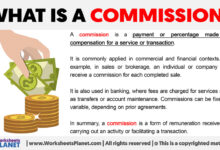
A commission based sales agency is a strategic partner that sells your products or services for a percentage of each sale—no base salary, no long-term employment contracts. Instead, they’re driven purely by performance, aligning their success with yours. This model is increasingly popular across industries, especially among startups and growing businesses that want to scale sales efficiently.
How It Differs From Traditional Sales Teams
Unlike in-house sales departments that require fixed salaries, benefits, and infrastructure, a commission based sales agency operates on a variable cost model. You only pay when a sale is made. This fundamental difference reduces financial risk and increases accountability.
- Traditional teams: Fixed costs, full-time salaries, training overhead.
- Commission based sales agency: Pay-for-performance, scalable, low-risk.
- Hybrid models: Some agencies offer retainer + commission structures.
Industries That Benefit Most
While this model can work across sectors, certain industries see exceptional results. SaaS companies, real estate developers, B2B tech providers, and consumer product brands often leverage commission based sales agencies to enter new markets or boost revenue without hiring full-time staff.
For example, Sales Hacker highlights how tech startups use outsourced sales teams to validate product-market fit before building internal teams.
“The beauty of a commission based sales agency is that their income depends entirely on your success. Their motivation is built into the business model.”
Top 5 Advantages of Using a Commission Based Sales Agency
There are compelling reasons why more companies are turning to commission based sales agencies. From cost savings to access to elite talent, the benefits are both strategic and financial.
1. Lower Upfront Costs and Financial Risk
One of the biggest advantages is the reduction in fixed expenses. You’re not paying salaries, health insurance, or office space. Instead, you invest only when revenue is generated. This makes it ideal for bootstrapped startups or businesses testing new product lines.
According to Forbes Business Council, 68% of early-stage companies prefer performance-based sales models to preserve capital.
2. Access to Experienced Sales Professionals
Top commission based sales agencies attract high-performing reps who thrive on motivation and reward. These individuals often have years of experience, established networks, and proven closing techniques. You’re essentially outsourcing not just labor, but expertise.
- Sales reps are often self-selected for ambition and resilience.
- Agencies provide training and tools to maximize performance.
- Many reps specialize in niches like SaaS, medical devices, or e-commerce.
3. Scalability and Flexibility
Need to launch in three new cities next quarter? A commission based sales agency can scale up quickly without the hiring lag. You can ramp up or down based on demand, seasonality, or campaign performance.
This agility is crucial in fast-moving markets. Unlike traditional hiring, which can take weeks or months, agencies can deploy teams in days.
4. Performance-Driven Accountability
Because income is tied directly to results, reps in a commission based sales agency are highly motivated. There’s no room for complacency—either they sell, or they don’t get paid. This creates a culture of accountability that’s hard to replicate in salaried environments.
Key performance indicators (KPIs) like conversion rates, call volume, and deal size are closely monitored, ensuring transparency and continuous improvement.
5. Faster Time to Market
When launching a new product, time is critical. Building an internal team means recruiting, onboarding, and training. With a commission based sales agency, you can have trained professionals selling your product within weeks.
Many agencies offer onboarding programs that include product training, CRM integration, and lead qualification processes—getting you to revenue faster.
How to Choose the Right Commission Based Sales Agency
Not all agencies are created equal. Picking the wrong partner can waste time and damage your brand. Here’s how to find one that aligns with your goals and values.
1. Evaluate Their Track Record and Niche Expertise
Look for agencies with a proven history in your industry. A firm that’s sold enterprise software will have different skills than one focused on consumer goods. Ask for case studies, client testimonials, and performance metrics.
For instance, if you’re in the fintech space, choose a commission based sales agency that has successfully sold similar products. Experience matters when it comes to understanding complex value propositions.
2. Understand Their Commission Structure
Commission models vary widely. Some agencies charge a flat percentage (e.g., 15-20%), while others use tiered structures based on sales volume. Some may require a small retainer for administrative costs.
- Flat rate: Simple, predictable, but may lack incentive for high performance.
- Tiered: Higher commissions for exceeding targets—great for motivation.
- Hybrid: Retainer + lower commission—reduces risk for the agency.
Make sure the structure aligns with your profit margins and growth goals.
3. Assess Their Sales Process and Tools
A professional commission based sales agency should have a defined sales methodology—whether it’s SPIN Selling, Challenger Sale, or consultative selling. They should also use modern tools like CRM systems (e.g., Salesforce, HubSpot), dialers, and lead tracking software.
Ask how they qualify leads, handle objections, and report results. Transparency is key.
Common Challenges and How to Overcome Them
While the benefits are significant, working with a commission based sales agency isn’t without challenges. Being aware of potential pitfalls helps you manage the relationship effectively.
1. Misaligned Incentives
Sometimes, reps may push for quick closes rather than long-term customer satisfaction. This can happen if the commission is paid upfront without regard to retention or churn.
Solution: Structure commissions to include backend payouts based on customer lifetime value (LTV) or renewal rates. This encourages reps to sell to the right customers, not just any customer.
2. Lack of Brand Representation
Since reps aren’t employees, they may not feel as invested in your brand. Poor communication or training can lead to inconsistent messaging.
Solution: Provide comprehensive brand guidelines, product training, and regular check-ins. Consider assigning a brand ambassador or account manager to oversee the agency’s performance.
3. Turnover and Consistency Issues
High turnover is a risk in commission-only environments. If a top rep leaves, your sales momentum can stall.
Solution: Work with agencies that have team-based models rather than relying on solo reps. This ensures continuity even if one person exits.
“The best commission based sales agencies don’t just sell—they represent your brand with integrity and professionalism.”
Real-World Success Stories
Let’s look at how real companies have leveraged a commission based sales agency to achieve remarkable results.
Case Study 1: SaaS Startup Scales to $2M in 12 Months
A B2B SaaS company offering project management tools struggled to gain traction with a small internal team. They partnered with a commission based sales agency specializing in tech startups.
The agency deployed 10 experienced reps who focused on outbound prospecting, demos, and closing. Within six months, monthly recurring revenue (MRR) doubled. By month 12, they hit $2 million in annual revenue—all without adding a single full-time sales employee.
Key takeaway: The agency’s expertise in SaaS sales cycles and use of automation tools accelerated growth.
Case Study 2: E-Commerce Brand Expands into International Markets
An Australian skincare brand wanted to enter the U.S. market but lacked local sales knowledge. They hired a U.S.-based commission based sales agency with experience in beauty and wellness.
The agency leveraged its network of distributors and retailers, securing placements in major department stores. Within nine months, the brand achieved 300% revenue growth in the U.S. market.
Key takeaway: Local market expertise and existing relationships made all the difference.
Case Study 3: Industrial Equipment Supplier Boosts Lead Conversion
A manufacturer of industrial sensors had strong leads but low conversion rates. Their internal team lacked the time and focus to follow up effectively.
They engaged a commission based sales agency to handle lead nurturing and closing. The agency implemented a structured follow-up process and trained reps on technical product details.
Result: Conversion rates improved from 12% to 27% within four months. Annual sales increased by $1.5 million.
How to Structure a Winning Commission Agreement
A well-drafted contract is essential when working with a commission based sales agency. It protects both parties and sets clear expectations.
Key Elements of the Agreement
Your contract should include:
- Commission rate and payment terms (e.g., 15% per closed deal, paid within 30 days).
- Definition of a “closed sale” (first payment received, contract signed, etc.).
- Lead ownership and protection (to prevent disputes over who brought the customer).
- Exclusivity clauses (if applicable).
- Termination terms and notice periods.
Avoiding Common Legal Pitfalls
Many disputes arise from vague language. For example, if a customer was initially contacted by your team but closed by the agency, who gets the commission?
Best practice: Use a lead tracking system and define “lead ownership” in the contract. Specify how leads are shared, tracked, and credited.
Consult a legal professional to ensure compliance with local labor and contract laws, especially if operating across states or countries.
Performance Monitoring and Reporting
Include clauses that require regular reporting—weekly or monthly—on key metrics like:
- Number of calls made
- Demos scheduled
- Conversion rates
- Revenue generated
This transparency builds trust and allows for course correction if performance lags.
Future Trends in Commission Based Sales Agencies
The world of sales is evolving, and commission based sales agencies are at the forefront of innovation. Here’s what’s on the horizon.
1. AI-Powered Sales Enablement
Top agencies are integrating AI tools for lead scoring, email personalization, and predictive analytics. This allows reps to focus on high-value prospects and improve close rates.
For example, platforms like Outreach and Gong are being used by commission based sales agencies to optimize performance.
2. Hybrid Remote Sales Teams
With the rise of remote work, many agencies now operate fully virtual teams. This reduces costs and allows access to global talent.
Expect more agencies to offer remote-only models with flexible scheduling and digital collaboration tools.
3. Focus on Customer Lifetime Value (LTV)
Forward-thinking companies are moving away from one-time commission payouts. Instead, they’re offering residuals or recurring commissions based on subscription renewals or repeat purchases.
This aligns the agency’s goals with long-term customer success, not just initial sales.
When a Commission Based Sales Agency Isn’t the Right Fit
While powerful, this model isn’t ideal for every business. Understanding the limitations helps you make a smarter decision.
1. Highly Complex or Technical Products
If your product requires deep technical knowledge or long onboarding, a short-term commission rep may struggle to sell effectively. They might not invest the time needed to master your offering.
Alternative: Consider a hybrid model with a base stipend plus commission, or build an internal technical sales team.
2. Need for Brand Control and Consistency
If your brand relies heavily on a specific voice, tone, or customer experience, outsourcing sales could lead to inconsistencies.
Solution: Work with agencies that allow for strict brand oversight and provide detailed training materials.
3. Long Sales Cycles with High Touch Requirements
Industries like enterprise software or industrial machinery often have sales cycles lasting 6–12 months. Reps may lose motivation if commissions are too far off.
Mitigation: Offer milestone-based payouts (e.g., commission for each stage: demo completed, proposal accepted, contract signed).
What is a commission based sales agency?
A commission based sales agency is a firm that sells your products or services for a percentage of each sale, with no fixed salary. They earn only when they close deals, aligning their success with your revenue.
How much do commission based sales agencies charge?
Typical commission rates range from 10% to 20%, depending on the industry, product complexity, and sales cycle. Some agencies may charge higher rates for high-ticket items or include a small retainer fee.
Are commission only sales reps effective?
Yes, when properly managed. Commission only reps are highly motivated to close deals. However, success depends on the agency’s training, tools, and alignment with your business goals.
Can I hire a commission based sales agency for a short-term campaign?
Absolutely. Many agencies specialize in short-term product launches, seasonal promotions, or market testing. This flexibility makes them ideal for time-bound initiatives.
How do I track the performance of a commission based sales agency?
Use a CRM system to track leads, conversions, and revenue. Require regular reporting and set clear KPIs. Many agencies integrate with tools like HubSpot, Salesforce, or Pipedrive for transparency.
In conclusion, a commission based sales agency offers a powerful, low-risk way to scale your sales force. With lower costs, access to top talent, and performance-driven motivation, it’s no wonder more businesses are adopting this model. However, success depends on choosing the right partner, structuring fair agreements, and maintaining strong communication. Whether you’re a startup or an established brand, leveraging a commission based sales agency can be a strategic move toward sustainable growth.
Further Reading:
